Top 10 Brass Fittings You Should Consider for Your Next Project?
When planning a project, choosing the right materials is crucial. Brass fittings are often overlooked, yet they offer distinct advantages. Known for their durability, these fittings can withstand pressure and resist corrosion. This makes them ideal for plumbing, HVAC, and other applications where reliability is key.
In recent years, the popularity of brass fittings has surged. Their aesthetic appeal adds elegance to various designs. However, not all brass fittings are created equal. Understanding the different types can help avoid costly mistakes. It's important to consider the specifications and compatibility with existing systems.
Selecting the right brass fittings can be daunting. With many options available, it’s easy to feel overwhelmed. Researching your choices is essential to ensure the best outcome. Consulting professionals or reviewing project requirements might help clarify needs. In the end, informed decisions lead to successful projects and lasting results.
The Importance of Brass Fittings in Plumbing and HVAC Projects
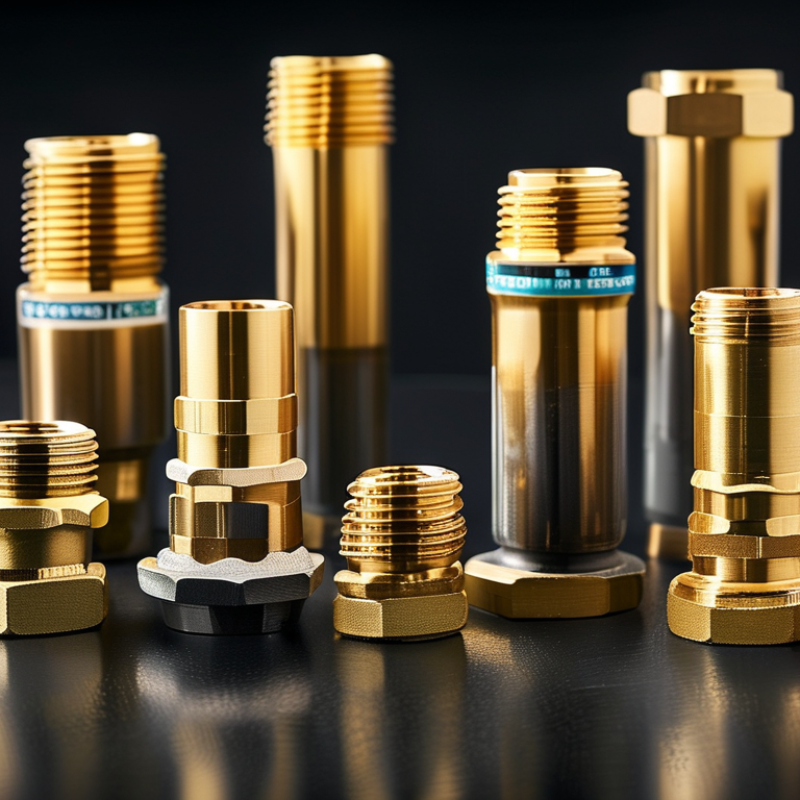
Brass fittings play a crucial role in plumbing and HVAC projects. They resist corrosion and enhance system longevity. These fittings are essential for connecting pipes and managing fluid flow. Their durability makes them suitable for high-pressure applications, ensuring safety and reliability in installations.
Choosing the right brass fittings requires careful consideration. Not all brass is created equal. Some are more prone to wear due to environmental factors. It's important to select fittings that meet the specific demands of your project. Look for those that offer a good balance between price and performance.
There are many types of brass fittings, each suited for different applications. Compression fittings are popular for ease of installation. However, their reliability can vary. Mismatched threads can lead to leaks, which might require reinstallation. Reflecting on these details can help avoid costly mistakes in your next project.
Top Brass Fitting Types and Their Applications in Various Industries
Brass fittings are versatile components used across various industries. They are known for their durability and resistance to corrosion. Different types of brass fittings serve distinct applications. For instance, compression fittings are ideal for plumbing systems. They create a secure seal and accommodate different pipe sizes.
In the automotive industry, brass fittings are essential in fuel line assemblies. They ensure safe and reliable connections, crucial for optimal engine performance. Another type, threaded fittings, are popular in gas line installations. They provide easy installation and maintenance, but users must check for leaks regularly. Not all brass fittings are made equal, and it’s important to choose the right one for your project.
The manufacturing sector often utilizes brass fittings for machinery and equipment connections. However, improper selection can lead to system failures. Investing time in understanding the specific needs of each application is vital. It is essential to consider environmental factors and workload when making a choice. Understanding the nuances of brass fittings can enhance reliability in critical applications.
Comparative Analysis of Brass vs. Other Metal Fittings: Strength and Corrosion Resistance
Brass fittings are a popular choice due to their strength and resistance to corrosion. When compared to other metal fittings, brass shows exceptional durability. It withstands various environmental conditions without significant wear. This makes it ideal for plumbing systems and outdoor applications. Other metals, like steel, may rust over time. Copper, while good in some respects, lacks the mechanical strength of brass.
Brass connects securely, ensuring leak-free joints. Its resistance to corrosion means fewer replacements in the long run. However, some projects may benefit from using aluminum fittings, which are lighter and often cheaper. Consider the specific conditions of your application before deciding.
Balancing strength and cost is essential. Avoid choosing materials based solely on price. Remember that initial savings might lead to higher maintenance costs over time. Assess all factors carefully. Experiment to see what works best in your unique situation, but don’t hesitate to rely on brass for reliability.
Industry Standards for Brass Fittings: ASTM, ANSI, and ISO Compliance
When selecting brass fittings for a project, it's essential to understand industry standards. Compliance with ASTM (American Society for Testing and Materials), ANSI (American National Standards Institute), and ISO (International Organization for Standardization) ensures quality. Each organization sets specific benchmarks for materials, performance, and safety. By adhering to these standards, you can trust that your fittings will withstand the test of time.
ASTM standards focus on material specifications, offering details on the chemical composition and mechanical properties of brass. Compliance with ANSI ensures that fittings are manufactured with specific dimensional requirements in mind. ISO compliance guarantees that the product meets international quality standards. These guidelines are not just technical jargon; they are benchmarks for reliability. Understanding them can lead to better fitting choices.
Choosing brass fittings that meet these standards may seem daunting. Manufacturers occasionally struggle with compliance due to the cost of testing or sourcing materials. Always verify that the fittings you choose are up to code. It's crucial to facilitate a fit-for-purpose solution while ensuring safety. The correct fittings contribute significantly to the success of any project.
Cost Considerations and Longevity of Brass Fittings in Project Budgeting
When planning a project involving plumbing or heating systems, brass fittings are often a top choice due to their durability. These fittings can withstand extreme temperatures and resist corrosion for a long time. However, it's crucial to consider not just the upfront costs but also the long-term savings they provide. Investing initially in quality brass can save money on repairs and replacements down the line.
Each project has its unique challenges. While brass fittings may come with a higher price tag initially, their longevity can translate to fewer maintenance issues. For example, in high-pressure systems, brass demonstrates its strength far better than plastic options. However, not all brass fittings are created equal. Some cheaper alternatives may not withstand the same conditions, leading to premature failures.
Incorporating brass fittings into your budget requires careful consideration. Evaluating your project's specific needs will help in making the right choices. This often involves weighing the cost of brass against its life expectancy. While brass may seem costly at first glance, it often pays for itself over time through reduced maintenance and repairs. Many find that careful selection of the right fittings becomes a pivotal aspect of their project's success.
Top 10 Brass Fittings You Should Consider for Your Next Project
| Fitting Type |
Cost per Unit |
Lifespan (Years) |
Corrosion Resistance |
Application Suitability |
| Brass Elbow |
$3.50 |
30 |
High |
Plumbing, HVAC |
| Brass Tee |
$4.00 |
25 |
Moderate |
Water Supply |
| Brass Coupling |
$2.80 |
20 |
High |
General Piping |
| Brass Cap |
$3.20 |
15 |
High |
Closing Ends |
| Brass Socket |
$5.00 |
30 |
Moderate |
Gas and Water |
| Brass Reducer |
$4.50 |
25 |
High |
Variable Flow |
| Brass Valve |
$6.00 |
40 |
High |
Flow Regulation |
| Brass Nipple |
$2.50 |
20 |
Moderate |
Pipe Extensions |
| Brass Flange |
$7.00 |
35 |
High |
Connecting Pipes |
| Brass Plug |
$3.00 |
15 |
Moderate |
Closing Valve Ends |