Top Relief Valve Manufacturers for Global Buyers
Choosing a relief valve manufacturer is a practical decision with consequences for safety, uptime, and maintenance costs. Global buyers often compare suppliers across different industries, pressure ranges, materials, and service conditions. A valve suited to a steam line may not fit a chemical process or a high-pressure gas system. The details matter. Even small differences in set pressure, connection size, or trim material can affect performance after installation.
This guide introduces manufacturers that serve international markets and explains what buyers should examine before requesting a quotation. Useful checks include product documentation, testing practices, available certifications, technical support, delivery capability, and access to replacement parts. Ask how the supplier verifies set pressure and handles traceability; clear answers can reveal more than a polished catalog. Buyers should also confirm that a proposed valve matches the application and applicable engineering requirements with qualified professionals. Not every manufacturer publishes the same level of technical detail, and that can make comparisons difficult. A shortlist is only a starting point. The best choice depends on operating conditions, project needs, and the support available after delivery. This overview aims to make those comparisons more informed, while recognizing that no general ranking can replace careful technical evaluation.
Relief Valve Fundamentals and Their Role in Industrial Systems
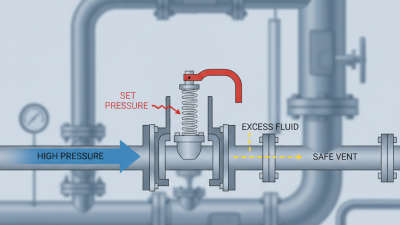
A relief valve protects a vessel or pipeline when pressure rises beyond a defined limit. It opens automatically, releases fluid, then reseats as pressure falls. That sounds simple. Correct performance depends on more than the set pressure: engineers must account for flow capacity, temperature, fluid phase, backpressure, and discharge routing.
Consider a blocked outlet on a hot process line. Pressure can climb quickly, so the valve must pass enough fluid to keep the system within its design limits. API Standard 520 addresses sizing and selection, while API Standard 521 covers pressure-relieving and depressuring systems. A valve that opens but discharges into an undersized or unsafe route may not protect the wider system. This detail is easy to overlook.
Grand View Research estimated the global industrial valves market at USD 78.4 billion in 2023, with projected annual growth of 4.4% from 2024 to 2030. The figure covers industrial valves broadly; it does not measure relief-valve reliability. For buyers, the practical checks remain application-specific: confirm certified capacity, compatible materials, inspection history, and maintenance access. Even a well-sized valve can stick if corrosion or deposits build up. That risk deserves a real review, not an assumption.
Relief Valve Fundamentals and Their Role in Industrial Systems
Pressure-relief valves protect pressure vessels by releasing fluid when pressure exceeds permitted limits. This chart shows ASME Section VIII Division 1 allowable accumulation above maximum allowable working pressure (MAWP): 10% for a single device, 16% for multiple devices, and 21% for fire exposure. Applicable requirements depend on the governing code, edition, and installation.
Key Criteria for Comparing Relief Valve Manufacturers
Top Relief Valve Manufacturers for Global Buyers
When comparing relief valve manufacturers, start with the operating conditions, not the catalog. Record the fluid, normal pressure, set pressure, temperature range, and required capacity. A valve selected for clean water may perform differently with steam or a corrosive process fluid. Ask how the manufacturer verifies capacity and set-pressure accuracy, and request test documentation tied to the specific valve. Details matter. Material specifications should match the fluid and service environment, while connection types and dimensions must suit the installation. A polished data sheet is useful, but it cannot replace clear technical answers.
Compare quality controls, traceability, and support as well as price. Check whether production tests, inspection records, and applicable certifications are documented and current. Confirm the manufacturer can explain the basis for its recommendations, rather than simply offering a standard model. For international shipments, clarify packaging, lead times, spare-part availability, and the process for handling technical questions across time zones. Ask about maintenance intervals and access to replacement parts before purchase. A low purchase price can look attractive, yet downtime or difficult servicing may change the real cost. Even careful comparisons leave uncertainty; process conditions can shift, and specifications are sometimes incomplete. Share the latest system data and have a qualified engineer review the final selection.
Leading Relief Valve Manufacturers and Their Specialties
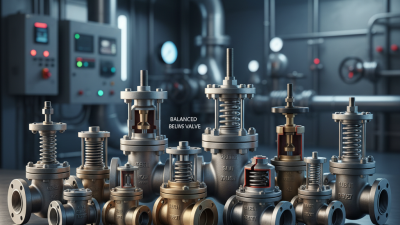
Relief valve manufacturers often specialize in particular pressure ranges, media, or operating conditions. Spring-loaded designs suit many general-purpose systems, where a compact valve must open at a set pressure and reseat reliably. Pilot-operated models can handle larger flows with tighter control, especially in demanding process lines. Their smaller sensing components, however, may be sensitive to contamination. Clean service matters.
Some manufacturers focus on thermal relief valves for liquid trapped between closed valves. Others develop low-pressure options for storage tanks or equipment with limited pressure tolerance. Material selection is practical, not decorative: stainless steel may resist certain corrosive fluids, while softer seat materials can improve sealing but may wear faster. The right choice depends on the actual fluid, temperature, pressure, and expected cycling.
Experienced suppliers typically support sizing calculations, material traceability, and documented pressure testing. Buyers should ask how the valve performs near its set point, not just what its rated capacity is. A catalog figure can look reassuring. It may not reflect installation conditions. Even careful selection has limits; piping vibration, poor discharge routing, or neglected maintenance can affect performance. Review the supplier’s test records and confirm that the proposed configuration matches the system’s operating data.
How Buyers Can Match Manufacturers to Application Needs
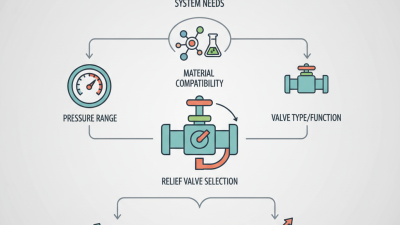
A relief valve should be matched to the system, not selected by pressure rating alone.
Buyers should define the fluid, normal operating range, set pressure, required flow capacity, and discharge conditions. A valve handling clean water may need different materials and trim from one exposed to hot process fluid. Details matter.
Ask manufacturers for evidence of relevant application experience, not just a broad product catalogue. Request material specifications, inspection records, performance test data, and documentation showing how each unit is identified and traced. Check which technical standards apply to the project and whether the manufacturer can provide suitable documentation. A polished datasheet can still leave practical questions unanswered. Ask about tolerance, backpressure, and maintenance access before comparing quotations.
Consider support after delivery, too. Confirm spare-part availability, expected lead times, and access to engineers who can review operating data. A low purchase price may not help if a replacement part takes weeks to arrive.
Not always.
Buyers can share anonymized operating conditions and ask manufacturers to explain their selection assumptions. If the available data is incomplete, say so; recorded assumptions are safer than quiet guesses. On-site piping layout and discharge routing can also change the final choice.