Top 10 Power Washer Hose Types for Global Buyers
Choosing the right power washer hose can determine cleaning speed, equipment life, and operator safety. Global buyers face a crowded market, with hoses made from PVC, rubber, thermoplastic, and hybrid materials. Each type behaves differently under pressure, heat, sunlight, and repeated bending.
David Miller, a pressure-washing equipment specialist with more than 20 years of field experience, says, “A hose is not an accessory; it is the working link between pressure and performance.” That simple point deserves attention. A lightweight hose may reduce fatigue, yet it can fail quickly on rough concrete. A reinforced rubber hose may survive demanding work, but shipping weight and storage space become practical concerns.
This guide compares ten power washer hose types for residential, commercial, agricultural, and industrial users. It examines working pressure, burst pressure, inner diameter, temperature tolerance, flexibility, abrasion resistance, and fitting compatibility. These details matter in real conditions. A hose dragged across gravel needs a different construction from one used on a polished warehouse floor. Climate matters too. Cold weather can stiffen some materials, while intense sunlight may weaken others.
Small choices create large differences.
Buyers should also check manufacturer test data, warranty terms, and replacement coupling availability. Product descriptions are not always complete. That is where careful evaluation becomes necessary. No single hose suits every machine, water source, or cleaning task. This comparison may not remove every uncertainty, but it provides a clearer starting point for safer, more dependable purchasing decisions.
Power Washer Hose Basics and Key Performance Terms
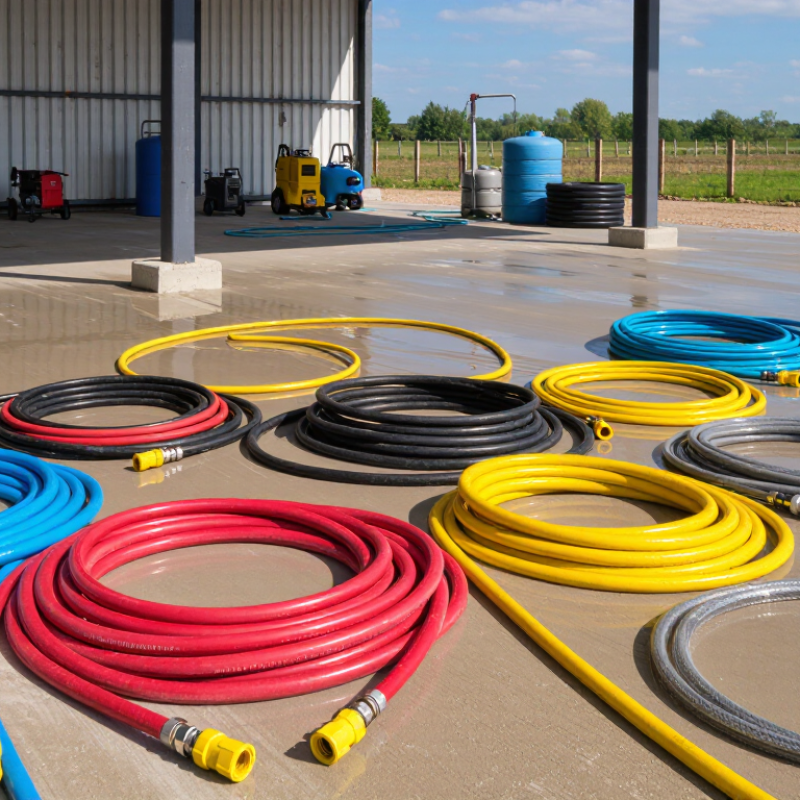
Choosing among the top 10 power washer hose types starts with understanding performance terms. Common options include PVC, rubber, hybrid, thermoplastic, wire-braided, steel-braided, non-marking, hot-water, cold-water, and sewer jetter hoses. Each design serves a different working condition. Rubber usually feels flexible and handles demanding use well. PVC is often lighter and easier to store. Thermoplastic hoses can resist abrasion while keeping a smaller profile.
Pressure ratings need careful reading. Working pressure shows the safe operating limit, while burst pressure indicates failure resistance. Never treat burst pressure as a target. Hose diameter affects water flow and pressure loss. A larger inside diameter can support longer runs, but it may feel heavier. Temperature rating matters for heated cleaning. Coupling quality, bend radius, kink resistance, and abrasion protection also influence service life. A higher PSI rating is not automatically better. That assumption can lead to poor handling and unnecessary cost.
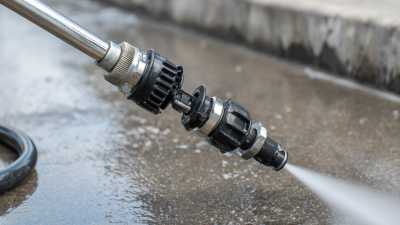
Tips: Match the hose to the washer’s real pressure, flow rate, and water temperature. Check both end fittings before ordering, because regional connection standards can vary. Inspect for cuts, bulges, exposed reinforcement, or flattened sections after use. Store the hose loosely, away from sharp edges and direct heat. Small details matter. One point deserves reflection: manufacturers may test under controlled conditions, while job sites add dirt, twisting, and sudden pressure changes. A cautious buyer leaves a safety margin.
Pressure, Temperature, Length, and Fitting Compatibility
Top 10 Power Washer Hose Types for Global Buyers
Pressure, Temperature, Length, and Fitting Compatibility
Power washer hoses commonly include PVC, rubber, hybrid, thermoplastic, steel-braided, non-marking, lightweight, hot-water, cold-water, and sewer-jetting types. Each design serves a different working condition. PVC hoses are light and affordable, while rubber handles frequent commercial use better. Thermoplastic options resist abrasion and remain flexible around equipment. Steel-braided hoses suit demanding pressure cycles, but they may feel heavier during long cleaning tasks.
Pressure ratings need careful attention. A hose should exceed the machine’s maximum working pressure, not merely its average output. Check both working pressure and burst pressure. Temperature matters just as much. Cold-water hoses may harden or degrade when exposed to heated water. Hot-water models usually use heat-resistant inner layers and protective covers. Read the actual temperature rating.
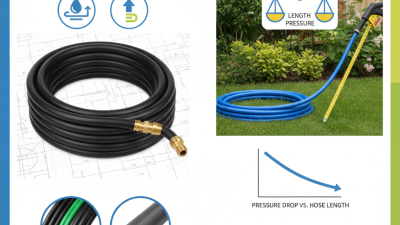
Length affects pressure loss, storage, and movement. A 10-metre hose may suit compact equipment, while longer lengths improve reach around large facilities. However, excessive length can reduce performance.
Small mismatch, expensive lesson.
I have seen fittings leak because the thread standard looked similar but was not identical. Confirm connection size, thread type, sealing method, and swivel design before ordering. Metric and imperial fittings can appear deceptively close. Material compatibility also matters when detergents are used. Even a strong hose can fail early when chemical exposure, sharp edges, or repeated bending is ignored.
How Global Buyers Compare Hose Quality and Supplier Standards
Top 10 Power Washer Hose Types for Global Buyers
Global buyers compare power washer hoses by use, not appearance alone. Common options include PVC, rubber, thermoplastic, hybrid, braided, and steel-reinforced hoses. Each type changes flexibility, weight, pressure stability, and cold-weather performance. A hose may feel strong but still kink near the fitting.
I inspect the inner tube, reinforcement layers, cover, and connector crimp. I also request burst-pressure data, working-pressure limits, temperature ranges, and abrasion-test results. Samples should match mass-production units. That point is often missed. Supplier records should show batch numbers, inspection dates, material specifications, and corrective actions. Clear records create trust.
Small details matter.
For global sourcing, I compare how suppliers control variation. Do they test every production batch, or only the first sample? Can they explain failure rates without vague claims? Experienced suppliers usually provide dimensional drawings and repeatable test methods. They also identify unsuitable applications, such as prolonged heat exposure or sharp concrete edges.
Cost still matters, but the cheapest hose can create replacement and downtime costs. I check packaging, labeling, fitting protection, and moisture control during shipment. Independent testing can verify pressure and leakage performance, although it adds time. My own comparison process is not perfect; field conditions often expose weaknesses that laboratory tests miss. A six-month user trial may reveal stiffness, memory, or connector wear more honestly than a polished specification sheet.
Top 10 Power Washer Hose Types for Global Buyers
Typical rated working-pressure benchmarks help buyers compare hose construction, application suitability, and supplier documentation. Higher pressure does not automatically indicate better quality; temperature rating, burst-pressure ratio, bend radius, coupling performance, and traceability should also be verified.
Values are representative industry benchmarks in bar and may vary by diameter, reinforcement, temperature, and construction. Buyers should confirm the exact rating through supplier test reports and technical datasheets.
Selection, Inspection, Storage, and Maintenance Guidelines
Top 10 Power Washer Hose Types for Global Buyers
Selection starts with pressure, temperature, fluid, length, and connection type.
A 2024 Fortune Business Insights report valued the global pressure washer market at about
USD 2.5 billion in 2023.
That scale makes specification errors expensive. Choose thermoplastic, rubber, or hybrid hoses according to the application, not appearance. Match the hose’s maximum working pressure with the machine rating, including pressure spikes. Check temperature limits, inner diameter, bend radius, and chemical compatibility. Quick-connect fittings must also match thread standards and sealing materials.
Inspect every hose before use.
Look for blisters, flattened sections, exposed reinforcement, cuts, and stiff areas near fittings. Run a clean cloth along the surface; raised fibers can reveal hidden damage. ISO 7751 provides pressure-test principles for hose assemblies, while ISO 18752 classifies several rubber hose performance categories. These standards help, but they do not replace supplier test certificates.
A missing certificate is a warning.
I have seen buyers focus on burst pressure and ignore coupling quality. That is a costly blind spot.
Store hoses drained, coiled loosely, and protected from sunlight, ozone, sharp edges, and freezing temperatures.
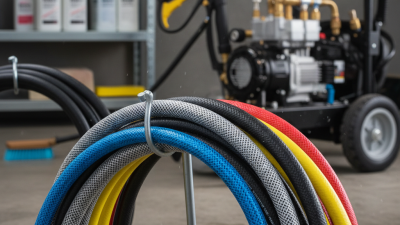
Avoid tight loops around metal hooks. They create permanent kinks. Keep chemical-contact hoses separate from water-only hoses, even when they look identical. Record inspection dates, operating hours, and replacements.
This seems excessive until a failure appears. The uncomfortable truth is that storage discipline often receives less attention than purchasing price. Review the procedure after every damaged hose, because the same mistake may return.