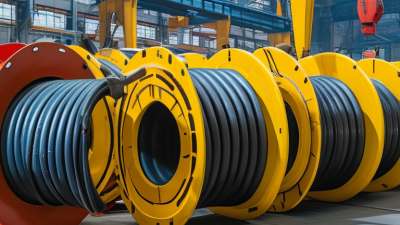
How to Choose a Heavy Duty Hose Reel?
A heavy duty hose reel should match the work, not just look sturdy in a product photo. The right choice depends on hose length, inside diameter, working pressure, and the space available for mounting. A reel that holds a long hose may still be unsuitable if its fittings restrict flow or its frame flexes under load. Small details matter. Measure the hose you actually use, including any extra length needed to reach around machinery or vehicles.
Consider the reel’s construction, retraction method, and operating environment. Steel frames can suit demanding work areas, while protective coatings help reduce wear in damp or dusty settings. Check the manufacturer’s pressure and capacity ratings, and compare them with your hose and fluid requirements. For wall or ceiling installation, confirm that the mounting surface and hardware can support the loaded reel. A smooth swivel and controlled rewind can make daily use easier, but they do not replace careful handling. Keep hands clear of a retracting hose.
There is no perfect reel for every shop. A larger model may add weight and take up valuable space; a compact one may leave too little hose capacity. It is easy to focus on price or advertised capacity. That can be a mistake. Read the specifications, inspect connection sizes, and think through where the hose will travel. If a rating or fitting is unclear, ask the supplier before installation. A little planning can prevent leaks, awkward routing, and early replacement.
Define the Hose’s Required Pressure, Length, and Flow
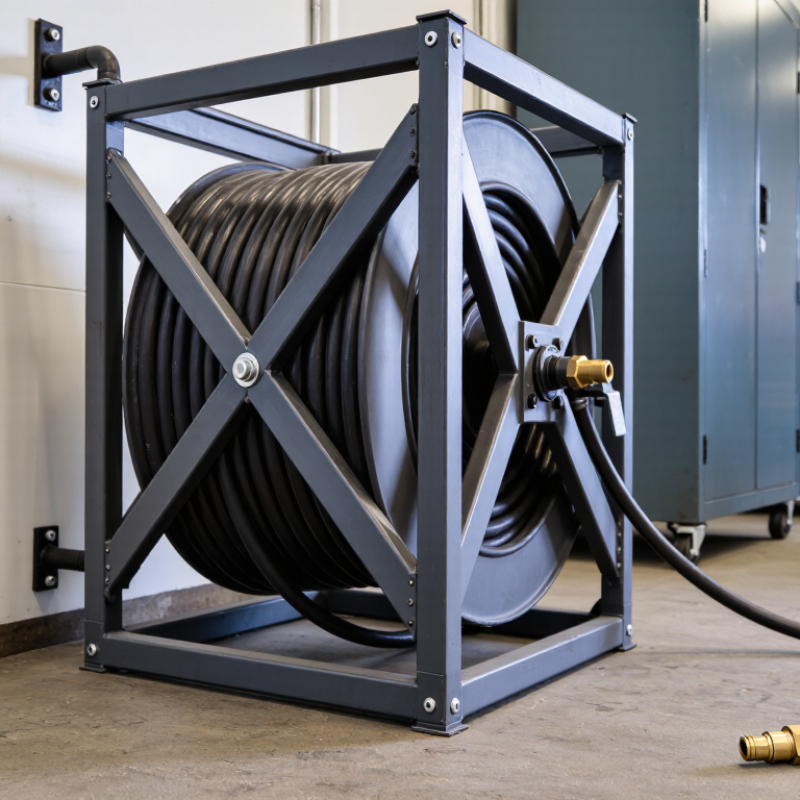
A heavy-duty reel should match the hose’s working pressure, required length, and flow—not just its outside diameter. Start with the equipment’s maximum operating pressure, including pressure surges, then check every component: hose, fittings, swivel, and reel. The weakest rating sets the safe limit. ISO 7751:2016 specifies, for applicable hydraulic hoses, proof pressure at twice working pressure and minimum burst pressure at four times working pressure. These are test thresholds, not operating targets. Small details matter.
Next, calculate the length needed to reach the farthest work area, with a little extra for routing around corners. Longer hose runs create more friction loss; a narrow hose can restrict flow even more. Match the hose’s rated flow to the tool or pump requirement, and check that the reel’s internal passages and fittings do not become the bottleneck. A 50-foot run may look generous, yet feel weak at the nozzle if its diameter is undersized. A rough estimate is tempting, but it can mislead. Compare the pump’s flow and pressure data with the hose manufacturer’s pressure-loss chart, then allow for bends and couplings. Measure twice.
Compare Reel Materials, Capacity, and Construction
Choosing a heavy duty hose reel starts with the hose, not the frame. Check its length, diameter, weight, and working pressure. A thicker hose takes up more space and adds strain when fully loaded. Compare usable capacity for your exact hose size; advertised length alone can mislead. Leave some extra room. A small reserve makes winding easier and reduces crowding.
Material choice depends on the work environment. Powder-coated steel offers strength for demanding shop or field use, but damaged coating may expose it to rust. Stainless steel resists corrosion in wet settings, though it can cost more. Aluminum is lighter and resists rust, but may not suit every impact-prone job. No material wins everywhere. Consider temperature, moisture, chemicals, and how often the reel moves.
Construction matters under repeated pulling. Look for a rigid mounting plate, smooth guides, secure joints, and a swivel rated for the hose’s pressure and fluid. A locking mechanism should hold the hose at useful lengths without slipping. Check the reel’s load and pressure ratings against your actual setup, not just typical use. Installation can also change performance; an undersized support or awkward mounting angle may cause problems. Capacity figures are estimates, and I would verify them with the hose diameter before ordering.
Select a Drive System and Mounting Style
How to Choose a Heavy Duty Hose Reel?
Select a Drive System and Mounting Style
Match the drive to the hose, load, and number of daily pull-and-rewind cycles. A spring-driven reel suits many routine applications, but long, heavy hoses can demand substantial pull force. A hand crank avoids a power connection, though repeated winding may become tiring. For frequent use, consider an electric or pneumatic drive and check its duty cycle, torque, and available power. Verify hose length, diameter, working pressure, and fluid compatibility against the reel specifications. A powered reel is not automatically the right choice.
Mount the reel where the hose can travel without sharp bends, dragging, or blocking walkways. Wall and ceiling mounts save floor space, but require a suitable support structure and adequate clearance. A floor mount can simplify access, yet may create a trip hazard if placed poorly. The U.S. Bureau of Labor Statistics recorded 2.6 million nonfatal workplace injury and illness cases in private industry in 2023. This figure does not prove that reels prevent injuries, but it supports careful attention to handling and layout. Measure the hose route before installation; the first layout idea is not always the best.
Tips: Test the reel with the actual hose and fittings. Check rewind speed, mounting stability, and operator reach. If the hose snaps back or the reel shifts, reconsider the drive or location.
Match the Reel to the Hose and Work Environment
A heavy-duty reel is a good match only when its capacity, materials, and drive suit the hose and daily work. Measure the hose. Check its length, outside diameter, weight when full, and minimum bend radius. A reel may hold the stated length but still bind if the hose is wider or stiffer than expected. Leave spare capacity for bulky fittings and an even wrap. Confirm the reel’s pressure rating against the hose and system, including expected operating pressure. A thick frame alone does not prove pressure compatibility. That detail is easy to miss.
Match construction to the work environment. Outdoor exposure, washdown, dust, and temperature swings can affect the frame, swivel, seals, and finish. For fluid-handling applications, check that wetted components are compatible with the fluid. In a damp or corrosive area, suitable corrosion-resistant materials can help reduce maintenance. Consider how the reel will be mounted, too. A wall-mounted unit needs a solid support, while a vehicle installation must tolerate vibration and movement.
Choose manual or powered rewind based on hose weight, retrieval frequency, and available space. A powered model can save effort, but its speed and controls should suit the operator’s workflow. Test the layout with the actual hose if possible: sharp turns, crowded walkways, or awkward fittings may change what works. Specifications help, but they cannot capture every site condition. Rechecking the choice after a trial run is sensible. It may feel overly cautious, yet small fit problems grow tiresome over time.
| Application | Typical Hose | Pressure and Temperature | Recommended Reel Features | Work Environment Considerations |
|---|---|---|---|---|
| Compressed air in workshops | 3/8–1/2 in. ID rubber or hybrid-polymer air hose; choose length to suit the work area. | Common shop systems operate around 90–150 psi. Use a hose and reel rated for the system’s maximum pressure. | Enclosed spring-rewind or hand-crank reel; guide arm adjustable for the mounting position; positive hose stop. | For indoor use, consider a compact wall or ceiling mount. Keep the reel clear of sharp edges, hot surfaces, and vehicle traffic. |
| Water washdown and general cleaning | 1/2–3/4 in. ID water hose, selected for the required flow and hose length. | Typical utility-water service is often below 300 psi. Check the hose rating and account for water temperature and pressure surges. | Corrosion-resistant swivel and fittings; open or enclosed reel matched to the hose diameter and required capacity. | For wet areas, look for corrosion-resistant materials and a mounting location that drains well. Use a hot-water-rated hose and reel only when required. |
| Hydraulic equipment service | Hydraulic hose selected by system pressure, fluid compatibility, temperature, and required bend radius; sizes commonly range from 1/4–1 in. ID. | Hydraulic working pressures vary widely and may reach several thousand psi. Match the reel, swivel, fittings, and hose to the system rating. | Heavy-gauge frame, pressure-rated swivel, secure hose restraint, and a controlled rewind mechanism. Confirm the reel is designed for the specific hydraulic service. | Protect the hose from abrasion, crushing, heat, and tight bends. Use a reel arrangement that prevents kinking and keeps pressurized hose away from walkways. |
| Grease dispensing | High-pressure grease hose, commonly 1/4–3/8 in. ID, compatible with the lubricant and dispensing equipment. | Grease systems can operate at very high pressures. Use only a reel and hose assembly rated for the pump’s maximum output pressure. | Purpose-built high-pressure reel with a suitable swivel, robust spring or crank mechanism, and fittings rated for grease service. | Choose seals and hose materials compatible with the lubricant and expected temperature. Keep couplings clean to limit contamination. |
| Welding gas or shielding gas supply | Gas-service hose sized for the equipment and gas type; use separate, clearly identified lines where required. | Stay within the pressure and temperature limits specified for the hose and gas equipment. | Controlled rewind and a smooth hose path; select a reel specifically suitable for the gas and hose assembly. | Keep hoses away from sparks, hot work, sharp edges, and vehicle routes. Follow applicable gas-handling and fire-safety procedures. |
| Outdoor or mobile service vehicles | Air, water, or hydraulic hose selected for the service, length, and expected exposure to weather and abrasion. | Base the rating on the actual system pressure and temperature, including any foreseeable pressure spikes. | Rugged frame, secure mounting plate, vibration-resistant fasteners, and a rewind mechanism suited to frequent use. | Consider UV exposure, rain, dust, road vibration, and limited mounting space. Verify that the reel is suitable for the vehicle and installation. |
Check Safety Features, Maintenance, and Serviceability
When choosing a heavy duty hose reel, assess safety features alongside capacity. Check that the frame stays stable under load and that moving parts are guarded. A reliable locking mechanism should hold the hose at different lengths without slipping. Test it with the hose partly extended, and keep fingers clear of pinch points. Small details matter.
Tips: Look for a clear hose path, a secure crank handle, and fittings that are easy to reach. Check that the reel suits the hose’s diameter, length, and working pressure. A mismatch can cause wear or make winding difficult.
Maintenance and serviceability affect how long the reel remains dependable. Ask whether the bearings, swivel, seals, and spring can be inspected or replaced without dismantling the whole unit. Check for corrosion-resistant materials if the reel will sit in a damp or dusty area. After use, rinse off grit and inspect the hose for cracks, kinks, or leaks. I would not assume a “heavy duty” label means maintenance is unnecessary; it is easy to overlook a stiff swivel until winding becomes a struggle. Keep access to wear parts in mind before buying.
How to Choose a Heavy-Duty Hose Reel
Compare the number of key checks in each selection area.
Before choosing a reel, verify its pressure rating and hose compatibility, secure mounting, and rewind or locking controls. Check that swivel and seal maintenance is accessible, and confirm replacement parts and service documentation are available. The bars count checklist items shown here; they do not rate or compare specific products.
Related Posts
-
China Top 10 Heavy Duty Hose Reel Manufacturers?
-
Why Choosing a Heavy Duty Hose Reel Can Boost Efficiency by 30% in Industrial Settings
-
Why Choose a Commercial Hose Reel?
-
The Ultimate Guide to Choosing the Perfect Heavy Duty Hose Reel for Your Gardening Needs
-

How to Choose the Right Industrial Hose Reel for Your Needs
-
China Top Stainless Steel Hose Reel Manufacturers?