Why Do You Need a Pressure Regulator?
A pressure regulator may look like a small brass or stainless-steel fitting, but its job affects every component downstream. It reduces a higher inlet pressure and helps maintain a steadier outlet pressure as flow changes. Without suitable regulation, a pump starting, a cylinder emptying, or a valve opening can create pressure swings. Those swings may disrupt a process, damage sensitive equipment, or produce inconsistent results. Small part. Important work.
In this introduction, pressure-systems engineer Maya Chen is presented as an illustrative expert voice, not a verified source. Her practical observation is: “A regulator is not just a pressure reducer; it is a buffer between changing supply conditions and equipment that needs stability.” That distinction matters. A regulator does not make a system safe by itself, and it cannot correct every installation problem. Inlet pressure, required flow, fluid compatibility, and operating range all affect selection. A gauge can help reveal what is happening, but only when it is installed and read correctly.
This article explores why a pressure regulator is needed, how it controls downstream pressure, and where it fits in common systems. It also considers signs of poor regulation, such as a drifting gauge or uneven equipment performance. These clues deserve attention, though they do not prove the regulator is at fault. Good decisions begin with system data and the manufacturer’s specifications. Sometimes the overlooked detail is not the regulator at all.
What a Pressure Regulator Is and How It Works
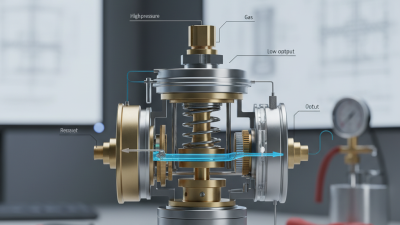
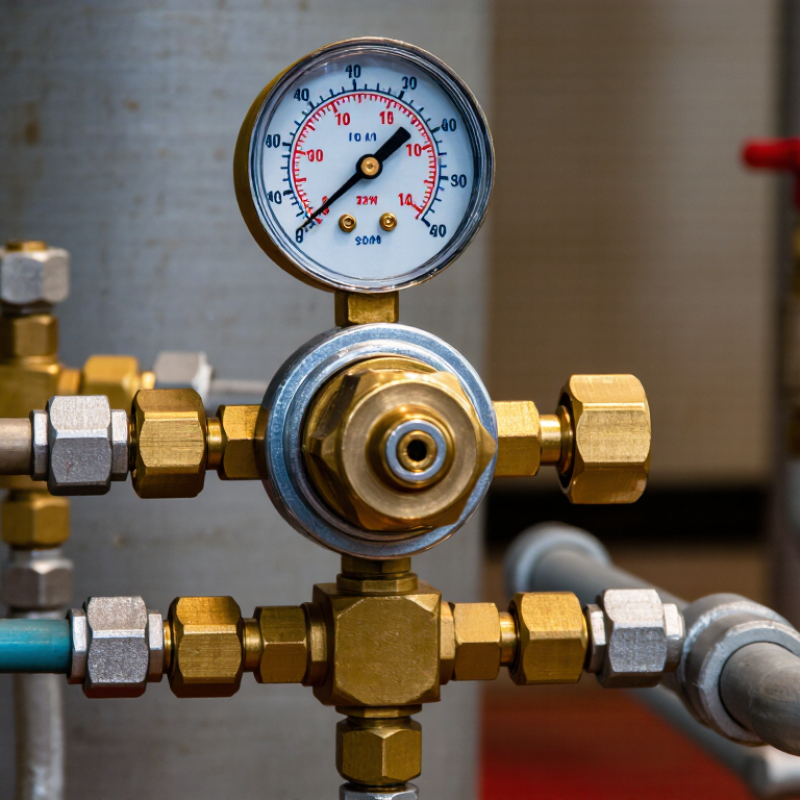
A pressure regulator controls downstream pressure when supply pressure changes. It does not create pressure; it reduces and stabilizes it. In a common spring-loaded regulator, a knob compresses a spring against a diaphragm. Outlet pressure pushes back. When pressure falls, the spring opens the valve; when pressure rises, the valve moves toward its seat. A small adjustment matters. For example, a workshop air line might carry 90 psi upstream while a tool receives a lower, steadier setting. Actual outlet pressure can still shift as demand changes, a behavior called droop.
The regulator’s job is narrower than many people expect. It is not a relief valve, filter, or flow meter, and it cannot fix undersized piping or a leaking hose. The U.S. Department of Energy’s Improving Compressed Air System Performance sourcebook reports that compressed air can account for about 10% of industrial electricity use; leaks may waste 20–30% of compressor output. These figures describe whole systems, not regulator savings. Still, stable pressure can help equipment operate within its intended range and avoid unnecessary overpressure. Choose a regulator for inlet pressure, outlet range, flow, and medium, then check its setting under real operating demand. Bench tests help, but real systems are less tidy.
How Pressure Regulators Protect Equipment and Users
Why Do You Need a Pressure Regulator?
How Pressure Regulators Protect Equipment and Users
A pressure regulator reduces incoming pressure to a controlled outlet level. This helps equipment operate within its rated range. Without regulation, pressure spikes can strain seals, crack hoses, or damage gauges. A steady outlet also makes tools and processes more predictable. That matters when someone is working near pressurized lines. A regulator cannot prevent every failure, though. It is one part of a safe system.
A regulator works by adjusting flow as supply pressure changes. For example, a workshop air line may receive fluctuating pressure, while a connected tool needs a lower, steadier supply. Proper regulation can reduce sudden movement or discharge caused by excessive pressure. It may also help prevent premature wear. But incorrect sizing, contamination, or a worn diaphragm can affect performance. A gauge reading is useful, yet it does not prove the system is safe.
Tips: Check the regulator’s pressure range and the equipment’s rated limit before use. Look for leaks, damage, or an unstable gauge reading. Follow the equipment instructions, and have a qualified technician inspect problems you cannot identify. Small checks help. Don’t assume a regulator replaces a pressure-relief device.
Why Consistent Pressure Matters in Fluid Systems
Why Do You Need a Pressure Regulator?
Why Consistent Pressure Matters in Fluid Systems
A pressure regulator keeps downstream pressure within a usable range as supply pressure or demand changes. In a workshop, that can mean an air tool runs steadily when another tool starts. In a water line, it can help prevent a sudden surge from stressing hoses, fittings, or delicate equipment. The regulator cannot correct every fault. A worn valve or blocked filter may still cause fluctuations.
Stable pressure also supports predictable performance and helps avoid running equipment above its needs. The U.S. Department of Energy’s Improving Compressed Air System Performance guide estimates that lowering compressor discharge pressure by 2 psi can reduce energy use by about 1%, depending on the system. That is not a guaranteed saving from installing a regulator; poor sizing or extra pressure loss can work against it. Details matter. The Compressed Air and Gas Institute notes that system leaks can waste 20–30% of compressor output, so pressure control should accompany leak checks, not replace them. Watch the gauge during real operating demand, since a quiet, unloaded line can hide pressure dips. In practice, that simple check is easy to skip. That can be costly.
Where Pressure Regulators Are Commonly Used
Pressure regulators are used wherever incoming pressure needs to be reduced or kept within a safer, more useful range. In workshops, they commonly supply compressed air to tools such as nailers and spray guns. A stable outlet pressure helps the tool work consistently and can reduce wear from pressure swings. Check the tool’s specified range before adjusting the regulator.
Homes use regulators on water supply lines and some fuel-gas systems. At a sink, a regulator can help limit excessive water pressure that strains hoses, valves, and appliance connections. In heating and cooling equipment, pressure-control components help maintain operating conditions within the equipment’s design limits. Installation and inspection should follow the equipment instructions and be handled by a qualified technician when required.
Regulators also appear in irrigation systems, where lower, steadier pressure can help prevent misting or damaged fittings. The right setting depends on the pipes, emitters, and water supply; one setting does not suit every layout. Leaks matter. A regulator cannot repair a worn hose or blocked filter, and dirt can affect its performance. That part is easy to overlook. Check readings and connections periodically, and replace a unit that no longer holds its set pressure.
How to Select and Maintain a Pressure Regulator
Choose a pressure regulator by matching it to the system, not just its pipe size. Check the inlet pressure range, required outlet pressure, and peak flow demand. Confirm that wetted materials suit the gas or liquid, and that temperature and connection ratings fit the application. An undersized regulator may cause downstream pressure to sag when several devices run at once. Small details matter.
Select a model with a usable adjustment range around your target pressure. Check its flow curve or sizing data at the actual inlet and outlet pressures; a simple maximum-flow figure can be misleading. Consider whether changing supply pressure could affect the outlet. That is not enough. Add a suitable downstream gauge, and use independent overpressure protection where the system’s risk assessment calls for it.
For maintenance, inspect connections for leaks, corrosion, and physical damage. Watch for pressure drift, pulsing, or a slow rise in outlet pressure while flow is stopped. These signs can point to wear, contamination, or incorrect sizing, but they do not identify the cause by themselves. Follow the service interval and procedures specified for the regulator. Before inspection, isolate and safely depressurize the system. Never loosen a pressurized fitting. A clean-looking gauge reading can still hide a problem, so verify it with a suitable test instrument.