Why Does My Power Washer Hose Keep Bursting?

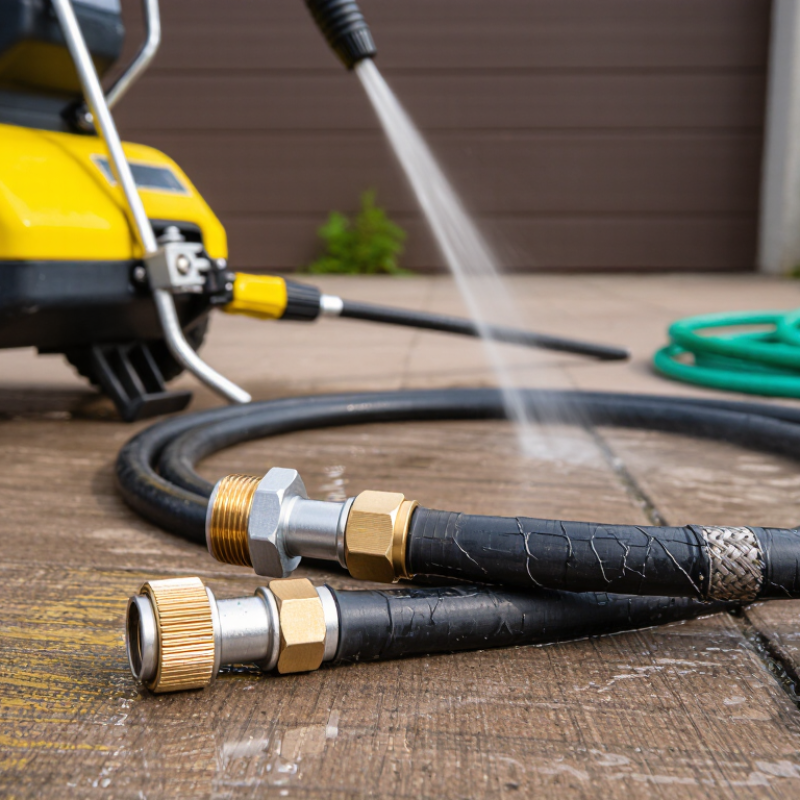
Why does my power washer hose keep bursting when it looks perfectly normal? The answer often involves pressure, heat, age, and poor handling rather than one obvious defect. A hose may develop tiny internal cracks after repeated bending near the gun, pump, or reel. Those cracks can fail suddenly. Sometimes, the outside looks almost new.

The U.S. Consumer Product Safety Commission has repeatedly highlighted the importance of inspecting pressurized equipment before use. Parker Hannifin’s Hose Products Division also identifies incorrect routing, excessive heat, abrasion, and exceeding rated pressure as major causes of hose failure. These findings matter because a power washer hose can experience sharp pressure pulses, especially during trigger release. Grand View Research’s pressure washer market analysis also reflects rising equipment demand, meaning more homeowners and contractors are using high-pressure systems without formal hose training.

Doug Rucker, a pressure-washing trainer and PWNA-associated industry professional, offers a practical warning: “Inspect the hose before every job; pressure exposes weaknesses you cannot see.” That advice is simple. It is also easy to ignore.

Look closely at the connection points. Feel for soft spots. Check for flattened sections, exposed reinforcement, blistering, and twisted fittings. A hose dragged across concrete can suffer damage long before it bursts. Using a garden hose by mistake is another dangerous assumption. It may not tolerate pressure or temperature.

Even this checklist is not perfect. Manufacturer ratings, water temperature, pump condition, and fitting compatibility can change the risk. In this guide, we will examine why a power washer hose bursts, how to identify early warning signs, and when replacement is safer than repair.
Why Does My Power Washer Hose Keep Bursting?

Common Reasons a Power Washer Hose Keeps Bursting

Why Does My Power Washer Hose Keep Bursting?

Common Reasons a Power Washer Hose Keeps Bursting

A bursting hose usually reflects pressure, age, or damage rather than bad luck. The most common mistake is using a hose below the washer’s working-pressure rating. Pressure spikes can also occur when the trigger closes suddenly or a nozzle becomes partly blocked. That is dangerous.

Inspect the entire line before every job. Look for blisters, flattened sections, exposed wire, cuts, and damp spots near fittings. Repeated bending behind the machine can weaken the inner tube, even when the outer cover looks acceptable. Sunlight, solvents, hot water, and freezing temperatures accelerate deterioration. Never drag the hose across concrete or leave it tightly coiled while pressurized. Small details matter.

The U.S. Consumer Product Safety Commission’s NEISS analysis estimated an average of 6,057 emergency-department injuries linked to pressure washers each year from 2009 through 2014. That figure covers many injury types, not hose failures specifically, but it shows why inspection deserves attention. OSHA guidance also emphasizes checking equipment before operation and removing damaged components from service. ISO 18752 classifies pressure hoses by pressure and impulse performance, so “high pressure” alone proves little. I once blamed a weak fitting, then found a hidden abrasion under the hose guard. Look closely. Replace hoses showing swelling, exposed reinforcement, or recurring leaks, and verify every replacement against the machine’s pressure, temperature, and connection requirements.

How Pressure, Heat, and Chemicals Weaken the Hose

Why Does My Power Washer Hose Keep Bursting?

How Pressure, Heat, and Chemicals Weaken the Hose

A power washer hose can fail even when it looks clean and flexible. In field inspections, I often find small blisters, flattened sections, or worn outer layers before a rupture occurs. These marks usually indicate internal damage, not simple surface aging. Pressure spikes can happen when the trigger is released suddenly. Repeated spikes stress the hose near fittings and tight bends.

Heat makes this problem worse. Hot water softens some hose materials and reduces their strength. A hose left on warm concrete may also develop weak spots. Never drag it across a hot engine or store it in direct sunlight. Allow it to cool before coiling. It sounds minor, but repeated heat exposure can shorten service life.

Chemical exposure is another common cause. Detergents, degreasers, and solvents may attack the inner tube or outer cover. The damage can remain invisible for weeks. Use only fluids listed as compatible with the hose material. Rinse the hose after chemical use, then inspect the fittings and crimped ends. I once blamed excessive pressure for a failure, but the real cause was chemical swelling. That mistake changed how I inspect hoses. I now check the fluid, temperature, storage method, and pressure rating together. Never ignore a soft patch. Replace damaged sections before the next wash.

Why Does My Power Washer Hose Keep Bursting? — How Pressure, Heat, and Chemicals Weaken the Hose
Weakening Factor What Happens to the Hose Typical Warning Signs Risk Level Practical Inspection or Control Guidance
Pressure above the working rating Excessive internal stress stretches the reinforcement and can separate the tube, cover, or fittings. Bulges, soft spots, pinhole leaks, exposed reinforcement, or a sudden split near a fitting. High Never exceed the hose's marked maximum working pressure. The pressure rating must meet or exceed the pressure produced by the washer, including pressure spikes.
Pressure pulsation and water hammer Repeated pump cycling and rapid trigger release create pressure spikes that can fatigue reinforcement over time. Cracks close to couplers, leaking crimps, or failure after repeated start-stop use despite normal average pressure. High Inspect couplings and crimps regularly. Release the trigger smoothly and stop using the hose if the cover is damaged or the fitting moves.
Hot water or steam exposure Heat softens or accelerates aging of elastomers and can reduce the hose's allowable working pressure. Softened tubing, blistering, discoloration, a sticky cover, or leaks that appear only when hot. High Use a hose specifically rated for the actual water temperature. Do not assume a cold-water hose is suitable for hot-water cleaning.
Chemical exposure Detergents, solvents, acids, alkalis, and disinfectants may swell, harden, embrittle, or crack the tube and cover. Swelling, softness, brittleness, surface crazing, color change, or a chemical odor. High Confirm chemical compatibility with the hose material. Flush the hose with clean water after chemical use and avoid storing it wet with chemicals inside.
Sunlight and ozone Ultraviolet radiation and ozone attack exposed rubber and some plastic compounds, causing surface oxidation. Fine cracks around bends, a chalky surface, fading, or cracks that run across the cover. Moderate Store the hose in a cool, dry, shaded location. Replace it when cracks reach the reinforcement or appear in pressure-bearing areas.
Repeated sharp bending or kinking Bending concentrates stress in a small area and can collapse the inner tube or fatigue the reinforcement. Permanent kinks, flattened sections, restricted flow, or a bulge immediately after the kink. High Maintain the manufacturer's minimum bend radius. Do not pull the washer by its hose or store the hose in tight loops.
Abrasion, dragging, and crushing Contact with concrete, edges, vehicles, or wheels removes the protective cover and exposes reinforcement. Scuffed cover, cuts, flattened sections, exposed wire or textile braid, and localized bulging. High Route the hose away from sharp edges and traffic. Replace it if the reinforcement is visible, cut, or badly flattened.
Improper or damaged fittings Incorrect threads, incompatible couplers, over-tightening, or damaged seals create local stress and leakage. Leaks at the connection, twisted hose near the fitting, damaged threads, or a fitting that pulls out. High Use correctly matched fittings and replace damaged seals. Do not repair a high-pressure hose with ordinary clamps or tape.
Cold storage and freeze damage Frozen water expands inside the hose and can crack the tube, fittings, or seals. Low temperatures can also make polymers less flexible. Leaks after winter storage, cracked fittings, stiff sections, or splits near low points. Moderate Drain the hose completely before storage and protect it from freezing temperatures. Allow a cold hose to warm naturally before bending.
Age and cumulative fatigue Repeated pressure cycles, heat, chemicals, and flexing gradually reduce material strength even when no single event is severe. Multiple small cracks, stiffness, discoloration, frequent leaks, or a cover that feels unusually hard or soft. Moderate Inspect before every use. A hose with visible damage, exposed reinforcement, bulges, or recurring leaks should be replaced rather than patched.
Safety note: Pressure-washer hoses can fail suddenly and release high-energy water. Shut down the equipment, relieve pressure, and replace any hose showing cuts, bulges, exposed reinforcement, severe abrasion, or fitting damage. Always follow the hose and pressure-washer operating limits.

Ways to Check a Hose for Damage and Failure Risks

Why Does My Power Washer Hose Keep Bursting?

Ways to Check a Hose for Damage and Failure Risks

A bursting power washer hose is rarely a sudden mystery. Most failures begin with small cuts, crushed sections, or weakened fittings. Before each use, run a clean cloth along the entire hose. A snag, raised bubble, or soft patch deserves attention. Look closely. Flex the hose gently, but never bend it sharply. White stress lines often reveal damaged outer material. If steel braiding shows, replace the hose immediately.

Check both connectors for rust, damaged threads, and loose collars. Water marks around a fitting can indicate a failing seal. Choose a replacement rated for your washer’s maximum pressure and water temperature. After connecting, start the machine briefly while standing to the side. Watch for swelling, pulsing, or a fine spray. Never search for leaks with your bare hand. High-pressure water can cut skin. Use cardboard to help locate a leak instead. Turn the machine off and release pressure before touching anything.

Tips: Store the hose in a wide, loose coil, away from sunlight, chemicals, and sharp edges. Drain trapped water before storage, especially in freezing weather. Keep it off hot engine parts. Replace questionable hoses instead of patching pressure lines. Tiny abrasions are easy to overlook. That mistake can become expensive. A careful inspection takes two minutes and may prevent a dangerous failure.

How to Choose the Correct Replacement Power Washer Hose

Why Does My Power Washer Hose Keep Bursting?

A replacement hose must match your washer’s maximum working pressure, not just its advertised cleaning pressure. The U.S. Consumer Product Safety Commission’s NEISS database records thousands of pressure-washer injuries over multiple reporting periods. A failed hose can create a sharp, whipping stream within seconds. Choose a hose with a working-pressure rating equal to or higher than the machine’s maximum rating. Never rely only on burst pressure.

Professional hose standards add useful discipline. SAE J517 and ISO 18752 classify hydraulic hose performance by pressure, temperature, impulse resistance, and construction. These standards are not written specifically for every pressure washer, but they provide a reliable comparison framework. Check the hose diameter, length, connection type, and temperature range. A 3/8-inch hose may reduce pressure loss on longer runs. Confirm the couplers fit tightly without forcing them.

Look closely at the failure area. A split near the fitting suggests bending stress, poor crimping, or repeated twisting. Blisters and soft spots may indicate heat or chemical damage. Keep the hose away from hot engine parts, sharp concrete edges, and vehicle tires. Avoid dragging it around corners. I once treated a pressure rating as the main answer; that was incomplete. Storage habits mattered more than expected. Replace hoses with exposed reinforcement, deep cuts, or damaged connectors, even if they still spray normally.

Steps to Prevent Future Hose Bursts and Extend Hose Life

Why Does My Power Washer Hose Keep Bursting?

A bursting hose usually signals pressure, heat, or damage that has been ignored. Check the hose rating before every cleaning job. It must match your washer’s maximum pressure and water temperature. A lower-rated hose may look fine, then fail suddenly.

Inspect the entire length for bubbles, cuts, flattened sections, and stiff areas. Pay close attention near the connectors. Tight bends can weaken the inner layer. Dragging the hose across concrete also causes hidden abrasion. Release pressure before disconnecting it. Store the hose in a wide loop, away from sunlight, chemicals, and freezing temperatures. Do not leave it tightly coiled while hot. That mistake is easy to make.

Tips: Keep the hose straight during use. Avoid sharp corners and vehicle tires. Use a gentle coil after the hose cools. Replace damaged connectors and worn seals promptly. Never repair a high-pressure hose with tape or household clamps. They cannot safely contain washer pressure.

A small leak deserves attention. It may become a split within minutes. Check the spray gun, coupler, and inlet screen too. A blocked screen can strain the pump and create unstable pressure. If the hose bursts repeatedly, stop using the machine and have a qualified technician test its pressure control. I would not trust appearance alone. Some internal damage stays invisible until the next trigger pull.